
22. How do I survive my first summer as a widow and start to feel like myself again?
Summer often depicts fun and laughter. There are holidays to be had, lazy days with loved ones and time spent with friends and family. But what happens when your spouse or partner dies and you're heading into summer?
My partner died at the end of March 2025 and by the time the summer arrived I was exhausted. Life had changed beyond anything that was recognisable and the world had moved on, yet here I was grieving and wanting everything to stop.
I remember the first Friday night summer evening driving past the local pub. The garden was filled with people drinking, laughing, being with friends and families and enjoying themselves.
I remember a time when I would have been there too.
But now all I could do is drive past and feel another wave of grief approaching and try and hold off the tears until I was safely at home.
Why does summer feel so much harder when you're grieving?
Every day is hard when you're grieving, but summer seems to be so much harder.
In this post I will share some things that helped me through my first summer after Paul died.
That first summer for me felt like even more eyes were on me. The longer days meant there were more hours to fill. Social media became filled with people doing things enjoying their lives, and then there was my life that wasn't fun or enjoyable. Dare I say it, but I started to dislike people even more because they were happy and posting selfies whilst on holiday.
The household income had halved, so things were vastly different and even if I did want to go out and enjoy myself I now had to manage the finances and ensure that we had enough to live on.
The world tells you to be happy because the sun is out. But happy was not an emotion I could switch on. I was happier when it was grey and wet.
As a widow heading into that first summer, grief doesn't switch off just because the sun is shining. Here's what helped me.
1. Lower the bar: what surviving summer grief actually looks like
The first summer is still about survival, and that is all you need to do.
You don't need to go on holiday. You don't need to host a BBQ. You don't need to make the most of the sunshine or keep the kids entertained every single day. You just need to get through it.
You also need to know that you can say no to any invitations. You know what is best for you and don't let anyone tell you otherwise.
By the time we got to August after Paul died I was exhausted and I decided that the children and I needed a holiday. All four of us had visited Skiathos the previous year and I felt that going back would be the best option for all of us. I knew the resort, the hotel, the buses, the restaurants, the places to visit and I knew that the minute we arrived I could relax. It would be the least stressful holiday that I could have. But so many people told me that I would be making a big mistake going back.
They were worried that the memories would be too raw, however the opposite happened. I felt closer to Paul than I had in a long time. There were tough times on the holiday but equally we made some lovely new memories too.
Summer was different now, but we used what we already knew and worked with that.
2. Have a plan for the hard days before they arrive
If weekends are hard, then holidays are even harder especially if you have young children. The routine of the school week goes out the window and for 6 weeks that brings with it a certain degree of isolation.
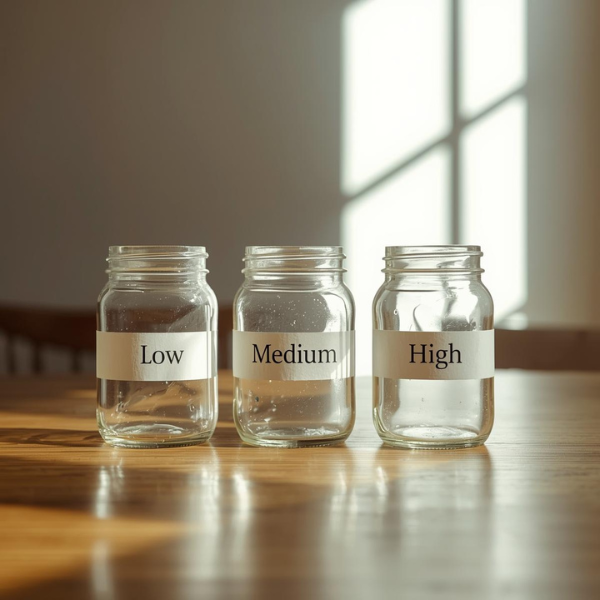
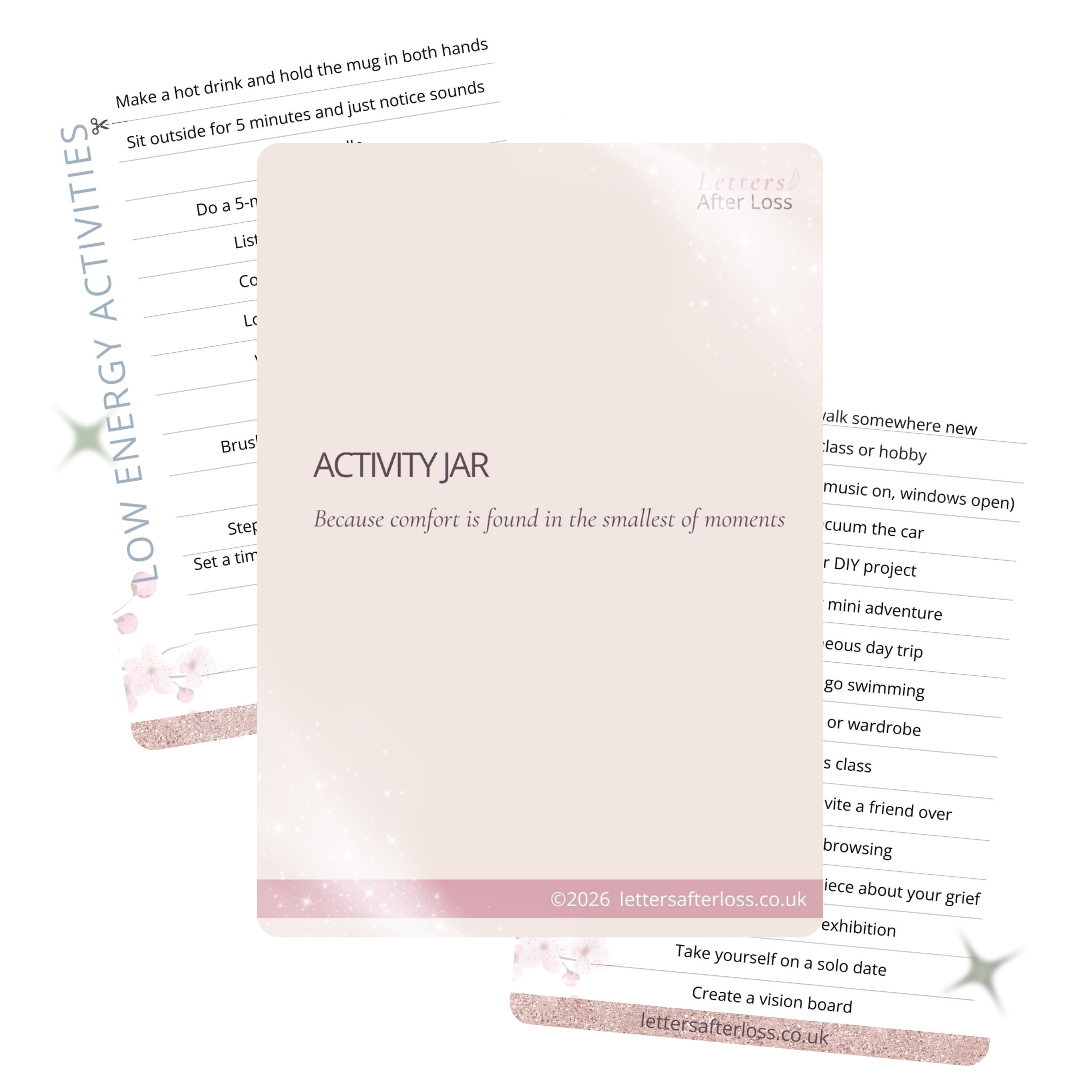
I created a list of activities that I could do on the days when I was struggling. I split them into low energy, medium energy, and high energy activities. When I recognised I was having a bad day I would randomly pick one activity depending on my energy levels and make this the one thing that I needed to do. If you want to try this out too you can download the activities here >>> Surviving Widowhood
For the days that I knew would be really bad, such as birthdays or anniversaries I made sure that friends knew about these days so that if needed I had someone to reach out to.
You can't prevent the grief. But you can make sure you're not completely alone with it.
3. Create a grief toolkit for the warm evenings
Summer evenings were the hardest time for me. Everyone else seemed to be outside, living their best life, and I was inside with my widow grief.
I created a grief workbook with 14 different activities that I could sit quietly and complete. It gave me something to do, a purpose, even if it was just for a few minutes. The activities included putting together a playlist or writing a postcard to heaven. Each activity designed to let me sit with my grief rather than let the grief overwhelm me. You can see the grief workbook I created here >>> GRIEF WORKBOOK
4. Don't disappear completely, but don't force yourself either
The instinct when you're coping with grief in summer is often to hide. To say no to everything and wait for September when the world goes quiet again.
I understand that. Sometimes saying no is absolutely the right thing.
But I also noticed that the times I gently pushed myself such as a coffee with a friend, or a walk in nature it did help. Not fixed. Not happy. Just a fraction less lonely.
You don't have to go to the BBQ. But you also don't have to completely disappear. One small thing, once a week, might be all you can manage.
5. Find your grief support - the people who truly get it
One of the most isolating things about widow grief is the feeling that nobody around you truly understands what you're going through. Your friends love you, but unless they too have lost a spouse or a partner they can't quite fully understand.
In summer where everyone is busy and happy, that isolation feels even bigger.
I found that connecting with other people who had been through the same thing so helpful. They didn't have the answers, but instead provided a safe place where I didn't need to explain myself and there was no awkwardness when I said Paul's name.
If you haven't found these people yet please know that they do exist and are probably closer than you think. There are specific charities offering bereavement support for those who have lost a spouse or partner, there are local groups and there is Letters After Loss if you enjoy developing a friendship through handwritten letters.
You are not the only one spending summer like this. There are others, right now, grieving the loss of a spouse and feeling exactly what you feel.
6. Be gentle about what "feeling like yourself" really means
The title of this post asks how to feel like yourself again.
In your first summer, you probably won't feel like yourself. Not the self you were before. There are two versions of you - the before death and the after death.
But that doesn't mean you won't feel anything good ever again. It doesn't mean that you'll never laugh again or feel the sun on your face and for a moment feel blessed that life is good.
We carry grief with us forever, but we learn how to live with it whatever the season.
It's not a betrayal of your grief to find moments of joy. They're not a sign you've stopped loving your person. They're just proof that you're still living.
And this summer, that is more than enough.
If you're going through your first summer without your partner and you're looking for people who truly understand, I'd love to hear from you. You don't have to do this alone.
